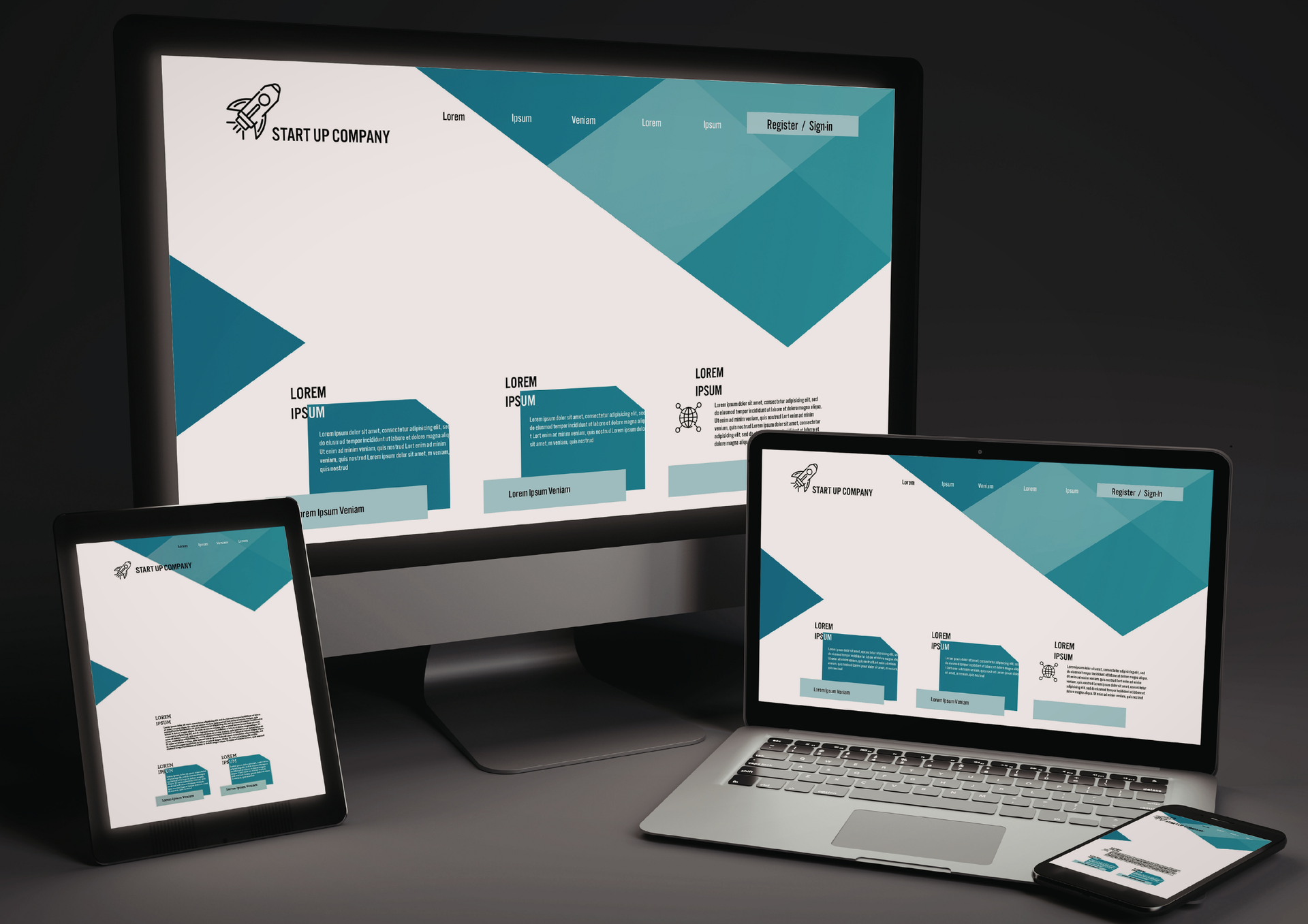
For modern businesses, a website is no longer just an online brochure. It is a core operational tool that captures data, measures performance, and supports informed decision-making. When built correctly, web development plays a vital role in tracking leads, understanding user behaviour, and improving marketing efficiency. For businesses in Bradford and beyond, this approach allows brands to grow with confidence, supported by accurate insights rather than assumptions.
This article explores how thoughtful development choices can transform a website into a powerful analytics.
Understanding Lead Tracking in Modern Websites
Lead tracking is the process of identifying how visitors interact with a website and when they take meaningful actions. These actions may include completing a contact form, requesting a quote, signing up to a newsletter, or making a purchase. Effective tracking ensures every enquiry can be traced back to its source, whether that is organic search, paid advertising, social media, or direct visits.
Strong web development ensures that tracking systems are integrated cleanly into the site’s structure rather than added as an afterthought. This allows businesses to see which pages generate interest, where users drop off, and what content encourages engagement. Over time, these insights help refine messaging, improve page layouts, and align marketing budgets with channels that deliver genuine results.
A well-built website also ensures data accuracy. Poorly implemented tracking can result in duplicate leads, missing information, or unreliable reports. Clean code, consistent event tracking, and properly configured analytics tools all contribute to clearer reporting and better strategic decisions.
Building Analytics into the Website Architecture
Analytics should be embedded into the foundation of a website, not bolted on once the site is live. During the planning phase, developers can define what success looks like for the business and structure the site to measure it accurately. This might include tracking button clicks, scroll depth, form interactions, or time spent on key pages.
A skilled front end developer plays an important role here, ensuring that user interactions are recorded without slowing the site down or disrupting the experience. Performance matters, as slow or unstable websites reduce engagement and distort analytics data. When pages load quickly and interactions are smooth, the data collected reflects genuine user behaviour rather than frustration-driven exits.
Modern analytics platforms can also be linked with customer relationship management systems, allowing leads to be followed beyond the website itself. This creates a clearer picture of the full customer journey, from first visit to final conversion, helping businesses understand what truly drives revenue rather than surface-level metrics.

Supporting Growth with Scalable Website Structures
As businesses grow, their websites must adapt. New services, locations, campaigns, and content all place additional demands on the site’s structure and tracking systems. Professional development focuses on scalability, ensuring analytics and lead tracking remain consistent as the site expands.
This is particularly important for brands working with multiple website developers over time. A clear, well-documented framework allows future updates to integrate seamlessly without breaking existing tracking or data flows. It also reduces reliance on quick fixes that may work temporarily but cause reporting issues later.
From a strategic perspective, scalability ensures businesses can compare performance across campaigns, time periods, and audience segments. Instead of rebuilding systems repeatedly, they can focus on refining their approach using reliable data that grows alongside the business.
Balancing Data Collection with User Experience
Collecting useful data should never come at the expense of user trust or usability. Visitors are more likely to engage with a website that feels clear, professional, and respectful of their time. Overloaded forms, intrusive pop-ups, or unclear consent messages can damage credibility and reduce conversions.
Thoughtful design balances data needs with simplicity. Short, focused forms capture essential information without overwhelming users. Clear calls to action guide visitors naturally towards meaningful steps. Transparent privacy notices reassure users that their data is handled responsibly, supporting compliance while building confidence.
Businesses often assume that higher website design cost automatically leads to better results, but this is not always the case. What matters more is how intelligently the site is planned and built. Well-structured analytics and lead tracking can be achieved efficiently when goals are defined clearly from the outset and aligned with real business priorities.
Turning Insights into Measurable Improvements
Collecting data is only effective when it leads to informed decisions. Well-planned websites are designed to present insights clearly, helping businesses understand performance and take confident, data-led action.
- Data delivers value only when it informs improvements and strategic decisions
- Effective websites present insights through clear dashboards and structured reporting
- Defined conversion goals help measure what actions truly matter
- Regular reporting cycles allow trends to be identified and acted on quickly
- Professional
website creation servicessupport long-term performance, not just launch
- Ongoing optimisation allows layouts, messaging, and navigation to be tested and refined
- Evidence-based updates reduce guesswork and improve marketing efficiency
- Consistent analysis leads to stronger conversion rates and more efficient spend
- Clear behavioural insights help businesses plan ahead and adapt to changing conditions
A well-built website is one of the most powerful tools a business can invest in. By integrating lead tracking and analytics at the development stage, companies gain clarity over how their digital presence performs and how users engage with it. This insight supports smarter decisions, stronger marketing strategies, and sustainable growth across any sector or location.
When done properly, web development becomes an ongoing asset rather than a one-off project, providing measurable value long after the site goes live.
ETA Web Design Bradford specializes in building websites that do more than look professional. We focus on creating structured, scalable platforms that support lead tracking, analytics, and long-term business growth. Our approach is practical, transparent, and tailored to the needs of growing brands that value clarity and results.
By combining technical expertise with a clear understanding of business objectives, we deliver websites that support informed decision-making and measurable performance. Whether you are refining an existing platform or planning a new digital presence, our team provides reliable guidance and solutions designed to grow with your business.
Update on X:
Web development designed for precise lead tracking and analytics!