Creating a successful website is no longer about appearance alone. For ambitious brands in retail, homeware, and health and wellness, a website must look credible, perform consistently, and support long-term growth. Web designers sit at the centre of this balance, combining creativity with technical discipline to ensure a website is both engaging and dependable.
For business owners and entrepreneurs, understanding how this balance is achieved can help set realistic expectations and lead to better outcomes when commissioning a new site.
This guide explains the core principles and decisions behind effective modern web design.
Design as a Strategic Business Tool
Good design begins with clarity of purpose. Rather than focusing solely on colours, fonts, or trends, experienced teams start by understanding the commercial goals behind a website. For retail brands, this may involve supporting product discovery and smooth checkout journeys. For wellness businesses, trust, accessibility, and calm presentation often take priority.
Design decisions are therefore strategic rather than decorative. Layouts are planned to guide users intuitively, reduce friction, and highlight what matters most at each stage of the customer journey. Visual hierarchy, spacing, and typography are used to support comprehension and focus, ensuring visitors can quickly find what they need without feeling overwhelmed.
This approach allows aesthetics to reinforce functionality. A well-designed interface does not distract from content or actions; instead, it quietly supports them, helping businesses communicate clearly and consistently across all pages.
Functionality Built into the Foundations
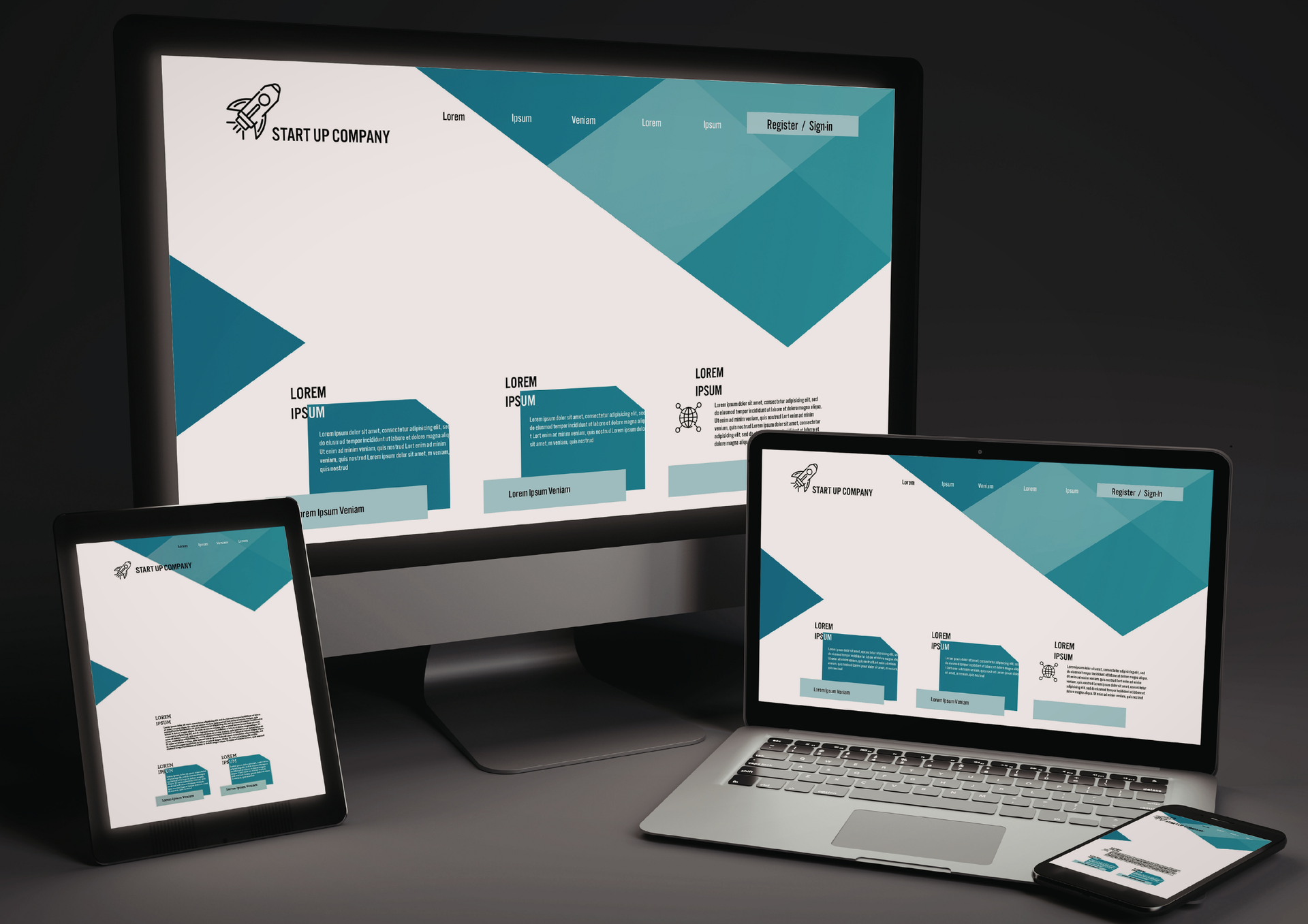
Behind every effective website is a robust technical structure. Functionality is not something added at the end—it is built into the foundations from the outset. This includes performance optimisation, mobile responsiveness, accessibility considerations, and content scalability.
A strong website framework allows businesses to grow without needing frequent rebuilds. Pages load reliably, features integrate smoothly, and future updates can be implemented without disruption. This is particularly important for growing retail operations or expanding service-based brands that need flexibility as their offerings evolve.
The technical side of
website development
is often invisible to users, but its impact is significant. Fast-loading pages, stable navigation, and secure forms all contribute to credibility and user confidence. When done properly, functionality supports design by ensuring that visual elements perform consistently across devices and platforms.

User Experience as the Connecting Layer
User experience (UX) is where design and functionality truly meet. It focuses on how people interact with a website, how easily they complete tasks, and how confident they feel throughout the process. UX decisions are guided by real user behaviour rather than assumptions.
For example, clear navigation menus reduce frustration, while consistent layouts help users build familiarity as they move through the site. Interactive elements are designed to be intuitive, ensuring that buttons, forms, and links behave as expected. These choices may appear simple, but they are the result of careful planning and testing.
When web designers prioritise user experience, they create websites that feel natural to use. This reduces bounce rates, increases engagement, and supports conversions without relying on aggressive tactics or unnecessary complexity.
Choosing Tools Without Losing Control
Modern websites are built using a wide range of tools and platforms, each with its own strengths and limitations. Some businesses explore options themselves using the best website builders, attracted by their speed and accessibility. While these tools can be suitable for early-stage projects, they often come with constraints around performance, customisation, and scalability.
Professional teams assess tools based on the long-term needs of the business rather than short-term convenience. This ensures the chosen platform can support growth, integrate with other systems, and adapt as requirements change. The goal is not to over-engineer a solution, but to avoid limitations that could hinder progress later.
A thoughtful approach to tools protects both design integrity and functional reliability, ensuring the website remains an asset rather than a bottleneck.
Consistency, Testing, and Ongoing Refinement
Balancing design and functionality is not a one-time task. Successful websites are reviewed, tested, and refined over time. Consistency across pages reinforces brand identity, while regular checks ensure features continue to perform as expected.
Testing plays a crucial role in this process. Visual elements are reviewed across devices, forms are checked for reliability, and content is assessed for clarity. Feedback from real users is often used to guide improvements, helping the website evolve alongside the business.
This ongoing attention ensures the site remains aligned with both user expectations and commercial goals, providing long-term value rather than a short-lived visual impact.
In many cases, businesses begin their search for support using phrases such as
website designer near me, but the most effective partnerships are built on expertise, process, and clear communication rather than proximity alone.
Others may compare services offered by a website design company, focusing on how well it understands their sector and growth objectives rather than just its portfolio visuals.
Equally, decisions around web development should be guided by scalability and performance, ensuring the site can adapt as the business expands into new products, services, or markets.
Balancing design and functionality requires discipline, experience, and a clear understanding of business priorities. When approached correctly, visual appeal and technical performance work together to create websites that are trustworthy, efficient, and adaptable.
Web designers who follow this balanced approach help businesses build digital platforms that support growth, credibility, and long-term success without unnecessary complexity.
At
ETA Web Design Bradford, we focus on creating websites that are practical, scalable, and aligned with real business goals. Our approach combines thoughtful design with reliable technical foundations, ensuring each project supports performance as well as presentation.
We work closely with brands and entrepreneurs who value clarity, structure, and long-term planning. By prioritising usability, consistency, and future-proof development, we help businesses build websites that continue to deliver value as their needs evolve.
Just out on X:
Web designers explain the balance between great design and functionality!