A business website should do more than present information. For homeware brands, health and wellness businesses, and retail companies, it must actively support enquiries, bookings, and sales. While aesthetics matter, performance is driven by how effectively a site guides users toward meaningful actions.
Professional website design balances visual appeal with strategic structure. Every layout choice, from navigation to content placement, influences how visitors behave. When layouts are planned with conversion in mind, websites become practical business tools rather than passive brochures.
This article explains five principles that help websites engage users and drive results.
Understanding Conversion-Focused Thinking
Conversion-focused layouts are built around clear objectives. Rather than trying to appeal to everyone at once, they guide users toward specific actions that support business goals. These actions might include making an inquiry, requesting a quote, booking an appointment, or completing a purchase.
The process begins with understanding user intent. Visitors arrive with questions or needs, and the layout should help answer those efficiently. Clear value propositions, logical content flow, and visible calls to action reduce hesitation and encourage progress.
For growing brands, this approach ensures that website design decisions are aligned with outcomes. When structure supports purpose, engagement feels natural rather than forced, leading to stronger results over time.
Structuring Pages to Guide User Behaviour
A well-structured page gently leads users from awareness to action. This journey is shaped by content order, spacing, and visual emphasis rather than aggressive prompts. Important information is placed where users expect to find it, reducing confusion and friction.
Headings introduce sections clearly, while supporting content provides reassurance and detail. Visual hierarchy helps users prioritise what matters most, allowing them to scan before deciding to read more closely. This is particularly valuable for retail and wellness audiences who often compare options before committing.
Businesses working with a
website design company benefit from layouts that are tested and refined around real user behaviour. These structures help ensure visitors remain engaged rather than abandoning the page due to uncertainty or overload.
Building Trust Through Layout and Visual Balance
Trust plays a critical role in conversion. Even strong products or services can struggle if a website feels cluttered, inconsistent, or unclear. Conversion-focused layouts prioritise balance, clarity, and professionalism to support confidence.
Consistent spacing, readable typography, and restrained colour use all contribute to a calm and credible experience. Imagery should reinforce the brand message rather than distract from it. For homeware brands, this might involve clean product presentation, while health-focused businesses often benefit from softer, reassuring visuals.
Some businesses compare platforms and tools when exploring best website builders, but regardless of technology, layout principles remain the same. Trust is built through clarity and consistency, not complexity.
Placing Calls to Action Where They Matter Most
Calls to action are essential, but their effectiveness depends on placement and context. Conversion-focused layouts introduce actions at moments where users are most likely to be ready, rather than repeating the same prompt excessively.
Primary actions are often placed near key decision points, such as after explaining a service or highlighting benefits. Secondary actions may appear further down the page for users who need more reassurance before committing.
This strategic placement helps avoid overwhelming visitors while still providing clear direction. Businesses searching for a website designer near me often value this measured approach, as it supports conversions without damaging trust or user experience.
Supporting Performance and Long-Term Scalability
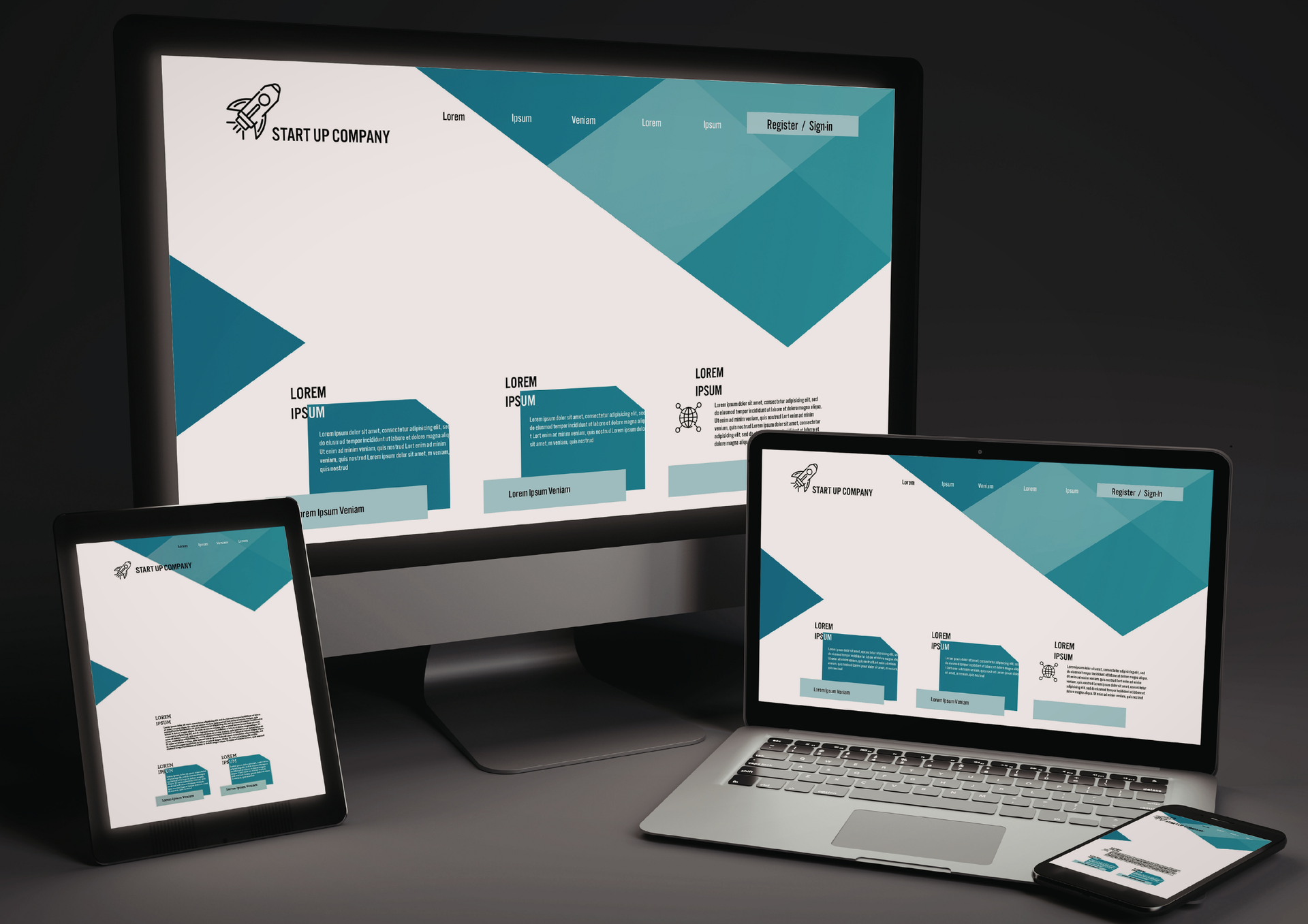
Conversion-focused layouts must also perform reliably over time. Fast loading speeds, mobile responsiveness, and technical stability all influence how users engage with a site. A layout that looks good but performs poorly will struggle to convert effectively.
Scalability is equally important. As businesses grow, websites may need to expand with new pages, services, or features. Flexible layouts allow these changes without disrupting existing content or user journeys.
Strong web page design considers both immediate results and long-term adaptability, ensuring the website remains an asset rather than a limitation as business needs evolve.
ETA Web Design Bradford specialises in creating conversion-focused websites that align structure, usability, and business objectives. We understand that effective layouts are built on strategy, not guesswork, and every project is approached with long-term performance in mind.
Our team works closely with businesses to deliver scalable, professional website design solutions that support growth across any location or sector. By combining thoughtful planning with proven layout principles, we help organisations turn visitors into customers with confidence and consistency.
New update on X:
Website design principles that drive conversion-focused layouts!