A business website is often the first place potential customers interact with a brand. Whether visitors are searching for homeware products, exploring health and wellness services, or comparing retail businesses, their experience can influence how they perceive the company and whether they decide to take action.
However, creating an attractive website is only one part of building a successful online presence. Search engines must also be able to discover, understand, and index its content, while visitors need a straightforward way to access relevant information. These requirements are closely connected, making the relationship between technical performance and usability particularly important.
Professional website design helps businesses establish a digital presence that balances visual presentation, functionality, accessibility, and search engine requirements. When these elements work together, visitors can navigate more comfortably, and search engines can interpret the website more effectively.
For businesses in Bradford and elsewhere, understanding this relationship can help prevent common problems such as slow-loading pages, confusing navigation, poor mobile experiences, and content that is difficult to discover.
Although no single visual feature guarantees higher search rankings, several technical and usability decisions can influence how effectively a website performs in organic search.
Understanding How Website Structure Influences Search Visibility
A website's underlying structure determines how information is organised, connected, and presented. When pages follow a logical hierarchy, visitors can locate relevant content more easily, while search engines can better understand the relationships between different sections.
For example, an online homeware retailer might organise its website into categories such as furniture, lighting, storage, and decorative accessories. Each category can contain more specific product pages, helping visitors narrow their searches without becoming overwhelmed.
A poorly organised website can create the opposite experience. Important pages may become difficult to locate, navigation menus may contain unnecessary options, and users may need to follow several unrelated links before finding the information they require.
Search engines also rely on discoverable links and meaningful page relationships when crawling websites. Pages that are poorly connected to the rest of the site may receive less attention from crawlers, particularly on larger platforms.
A thoughtful approach to web design considers these structural requirements before visual elements are introduced. Rather than treating navigation as a decorative feature, it establishes a framework that supports both usability and content discovery.
Creating a Logical Page Hierarchy
A well-organised website generally follows a straightforward structure:
- Clear main navigation: Important categories and services remain easy to identify.
- Descriptive page headings: Visitors can understand the purpose of each section.
- Relevant internal links: Related pages connect naturally without unnecessary repetition.
- Consistent page layouts: Familiar structures make navigation more predictable.
- Accessible content organisation: Information follows a logical order across different devices.
These principles are especially valuable for businesses with expanding product catalogues or multiple service categories. For health and wellness organisations, clear navigation can help visitors distinguish between treatments, appointment information, practitioner profiles, and general guidance.
Retail businesses can apply similar principles to product categories, delivery information, returns policies, and customer support pages. An effective structure should also accommodate future expansion. New pages can be introduced within established categories without requiring major changes to the existing navigation.
Importantly, a good organisation does not automatically produce stronger rankings. Its value comes from improving discoverability, clarifying content relationships, and helping visitors complete their intended tasks.
Improving Loading Speed and Mobile Responsiveness
Website performance can influence how visitors interact with a business. When pages take too long to load, users may become frustrated, abandon their session, or return to search results to explore another option.This is particularly relevant for online retailers, where customers often browse several product pages before making a purchase.
Large images, unnecessary scripts, poorly configured hosting, and excessive third-party integrations can all contribute to slower loading times. Performance optimisation therefore requires more than reducing image sizes. It involves examining how the entire website operates, from its underlying code to the way resources are delivered to visitors.
Businesses searching for a website designer near me may be looking for practical assistance with slow performance, outdated layouts, or mobile compatibility problems that affect customer engagement.
Understanding Core Web Vitals
Google's Core Web Vitals provide useful measurements of real-world page experience.
The three current metrics are:
- Largest Contentful Paint (LCP): Measures how quickly the largest visible content element loads.
- Interaction to Next Paint (INP): Measures responsiveness when users interact with the page.
- Cumulative Layout Shift (CLS): Measures unexpected movement of visible page elements.
These measurements help identify technical issues that may affect usability.For instance, an online retailer displaying large product photographs may experience slower loading if images are not properly optimised.
A wellness booking platform may experience delayed interactions if unnecessary scripts interfere with appointment forms.
Likewise, a homeware website may suffer from layout shifts when product images or promotional banners load without reserved space.
Google uses Core Web Vitals within its ranking systems, but good scores do not guarantee high rankings. Content relevance, usefulness, and other ranking considerations remain important.

Why Mobile Responsiveness Matters
Mobile visitors expect websites to function comfortably on smaller screens. Navigation menus should remain accessible, text should be readable without excessive zooming, and buttons should be large enough to use accurately.
Forms also require attention. Complicated fields, unclear instructions, and difficult checkout processes can discourage users from completing enquiries or purchases. Responsive layouts allow content to adapt to different screen sizes while maintaining consistent functionality.
For businesses serving customers across Bradford or wider geographical markets, reliable mobile performance helps create a more accessible and convenient browsing experience.
Google primarily uses the mobile version of a website's content for indexing, making consistency between mobile and desktop experiences particularly important.
Creating User-Friendly Navigation and Engaging Content
Visitors usually arrive at a website with a specific purpose. They may want to compare products, understand a service, check prices, or contact a business.
If the website makes these tasks unnecessarily difficult, visitors may leave before finding the information they need. Good navigation supports a natural journey from initial interest to a meaningful action.
This requires careful consideration of how information is presented, how pages connect, and whether visitors can recognise the next logical step.
Some businesses initially experiment with the best website builders because these platforms provide templates and straightforward publishing tools. However, regardless of the platform selected, successful navigation still depends on clear planning and a strong understanding of customer requirements.
Making Information Easier to Understand
Long paragraphs, inconsistent headings, and cluttered layouts can make even useful information difficult to follow.
A clearer approach combines descriptive headings, concise explanations, appropriate spacing, and relevant visual elements.
For example, a health and wellness business might explain a treatment through a short introduction, an outline of the process, practical preparation advice, and a clear booking option.
A homeware retailer might present product specifications, dimensions, materials, delivery information, and care instructions in separate sections.
Supporting Natural Customer Journeys
Different visitors require different levels of information. Someone discovering a brand for the first time may want to understand its background and offerings. Another visitor may already know which product or service they need and simply want to complete a transaction. A website should accommodate both situations.
Useful approaches include:
- Providing clear pathways from general information to specific products or services.
- Positioning relevant calls to action near supporting content.
- Connecting related resources through contextual internal links.
- Keeping essential contact and purchasing information accessible.
- Avoiding unnecessary pop-ups that interrupt the browsing experience.
These decisions can improve engagement by reducing friction and helping visitors accomplish their goals. However, longer browsing sessions should not always be treated as the primary measure of success.
A visitor who finds an answer and completes an enquiry quickly may have a better experience than someone who spends several minutes searching unsuccessfully.
Balancing Visual Appeal With Technical SEO Requirements
Visual presentation plays an important role in shaping how customers perceive a business. Consistent colours, typography, imagery, and spacing can communicate professionalism and reinforce brand recognition. Nevertheless, attractive presentation should not come at the expense of functionality, accessibility, or technical performance.
A website containing excessive animations, large background videos, or complicated interactive features may appear impressive while creating unnecessary obstacles for visitors.
Effective web page design balances visual identity with practical considerations, ensuring that creative elements support the purpose of each page rather than distracting from it.
Using Visual Elements Responsibly
Images and graphics can help businesses communicate information more effectively. Homeware retailers often rely on photographs to demonstrate materials, colours, and product proportions. Health and wellness organisations may use relevant imagery to explain facilities, treatments, or service environments.
Retail businesses can use visual content to introduce collections and highlight product details. However, these assets should be selected and prepared carefully.
Appropriate image dimensions, modern file formats, responsive delivery, and descriptive alternative text can support performance and accessibility. Alternative text should describe meaningful image content rather than simply repeat search phrases.
Decorative images may not require descriptive alternative text, while informative graphics should provide equivalent information to users who cannot see them.
Maintaining Technical Accessibility
Accessibility helps ensure that people with different needs and abilities can interact with a website. Important considerations include sufficient colour contrast, readable typography, keyboard navigation, meaningful form labels, and clearly identifiable interactive elements.
These improvements can benefit a wider range of visitors, including people using mobile devices in difficult lighting conditions or navigating without a mouse.
Technical search optimisation also requires attention to page titles, heading structures, crawlable links, and appropriate indexing instructions.
Structured data may help eligible content become understandable to search engines and qualify for certain enhanced search appearances, although implementation does not guarantee those appearances.
These technical requirements should be considered throughout the project rather than added only after launch. A visually appealing website becomes more useful when its design choices also support accessibility, clarity, and reliable functionality.
Maintaining Search Performance Through Ongoing Improvements
Launching a website is not the final stage of building an effective digital presence. Customer expectations, search engine systems, technologies, and business requirements change over time. Websites that remain unchanged for extended periods may develop performance issues or become less aligned with their audience.
New product ranges, updated services, promotional campaigns, and additional content can all influence the way visitors interact with a website.
For growing businesses, ongoing evaluation helps identify problems before they become more disruptive. Experienced website developers can support this process by reviewing technical performance, improving functionality, and ensuring that new features integrate with the existing platform.
Monitoring Website Performance
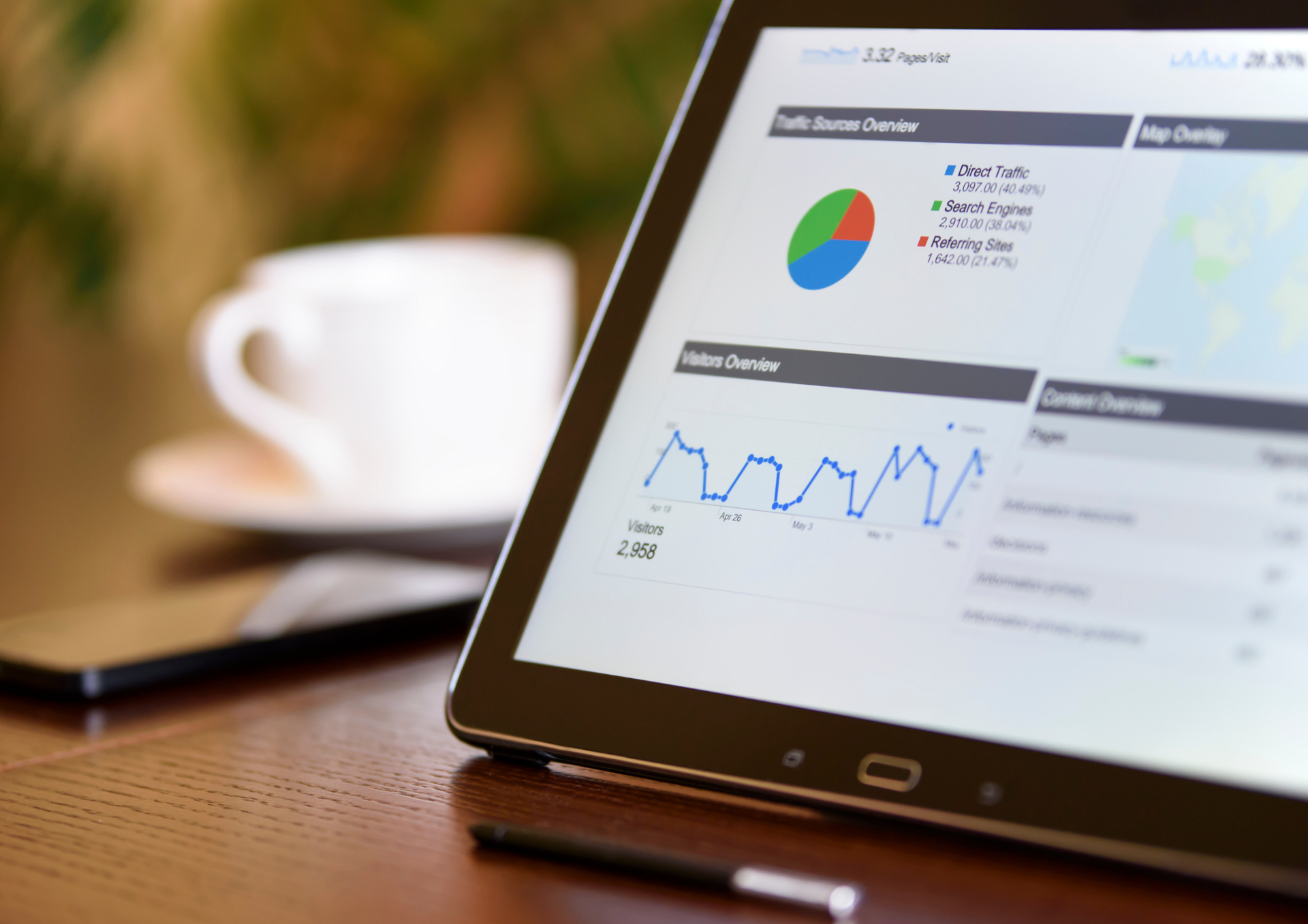
Useful information can come from several sources, including analytics platforms, search performance reports, usability testing, and direct customer feedback.
Businesses should consider measurements such as:
- Organic search visibility: Which pages receive impressions and clicks from relevant searches.
- Page performance: Whether important pages load and respond efficiently.
- User journeys: How visitors move between pages and where they encounter difficulties.
- Conversion activity: Whether enquiries, bookings, or purchases are completed successfully.
- Technical health: Whether broken links, indexing problems, or mobile usability issues require attention.
For example, a page receiving substantial search traffic but generating few enquiries may need clearer information or a more appropriate call to action. A product page with strong engagement but a high checkout abandonment rate may indicate a problem later in the purchasing process.
Similarly, declining organic visibility may require reviewing content relevance, technical accessibility, competing search results, and other factors rather than assuming the layout is responsible.
Planning Improvements Without Disrupting Users
Website changes should follow a considered process. Before introducing a major redesign, businesses should identify what is currently working and which problems need to be addressed.
Existing page URLs, internal links, important content, and search performance should be reviewed before structural changes are made. Where URLs must change, suitable redirects can help visitors and search engines reach the new locations.
New layouts, forms, and interactive elements should be checked across different devices and browsers before being introduced to the live website.
Long-term improvement is most effective when technical maintenance, content quality, and customer needs remain connected.
Search visibility and user experience are closely connected, but they are not interchangeable. A website can provide an attractive browsing experience while still requiring technical improvements, just as a technically efficient website may need clearer content or navigation.
Strong results depend on several complementary factors, including logical structure, responsive functionality, efficient loading, accessible presentation, and useful information.
For homeware brands, health and wellness businesses, and retail companies in Bradford and beyond, these considerations help create a digital platform that serves customers effectively while supporting organic search performance.
Businesses should also recognise that search rankings depend on many factors beyond appearance and usability. Relevant content, search intent, competition, and the wider quality of the website all contribute to visibility.
The most practical approach is to invest in website design that prioritises genuine customer needs, maintains sound technical foundations, and supports regular performance evaluation.
When these priorities work together, businesses can build greater confidence in their online presence while creating better opportunities for enquiries, purchases, and sustainable growth.
ETA Web Design Bradford takes a structured approach to creating professional websites that balance visual presentation, technical performance, and practical business requirements. We understand how navigation, loading speed, responsive functionality, and accessible content contribute to the experience visitors have when interacting with a digital platform.
Our approach to website design brings together careful planning, user-focused layouts, organised content, and scalable functionality. Rather than introducing unnecessary complexity, we focus on creating websites with clear technical foundations that support search accessibility, customer engagement, and long-term flexibility.
Whether a business is establishing its first online presence or improving an existing platform, we aim to provide practical solutions aligned with its objectives. By considering usability, performance, and future development together, we help businesses in Bradford and beyond create websites that remain manageable, professional, and prepared for continued growth.
Check out our latest X update exploring how
website design affects search rankings and user experience, and why it matters for building a successful online presence!