Starting a new website project is a significant decision for any business. Whether the organisation is a homeware brand, health and wellness provider, retailer, or growing service-based company, the finished site needs to support both immediate priorities and longer-term ambitions. Asking the right questions before work begins can prevent misunderstandings and make it easier to compare potential providers.
Professional web designers should be able to explain their approach clearly without relying on unnecessary technical terminology. Businesses need to understand what is included, how decisions will be made, what responsibilities they will have, and how the finished site will support future growth.
For businesses in Bradford and elsewhere, choosing a provider should therefore involve more than reviewing a portfolio or comparing headline prices. The following questions can help decision-makers assess whether a potential provider understands their objectives and has a structured process for delivering them.
What Is Included in the Project Scope?
One of the first areas to clarify is exactly what the proposed project includes. Two quotations that initially appear similar may cover very different amounts of work. A clear scope helps businesses understand what they are receiving and reduces the likelihood of unexpected additions later.
Ask how many pages are included, whether layouts will be created specifically for the business, and what level of content support is available. It is also worth establishing whether mobile responsiveness, forms, integrations, basic technical configuration, and testing form part of the agreed work.
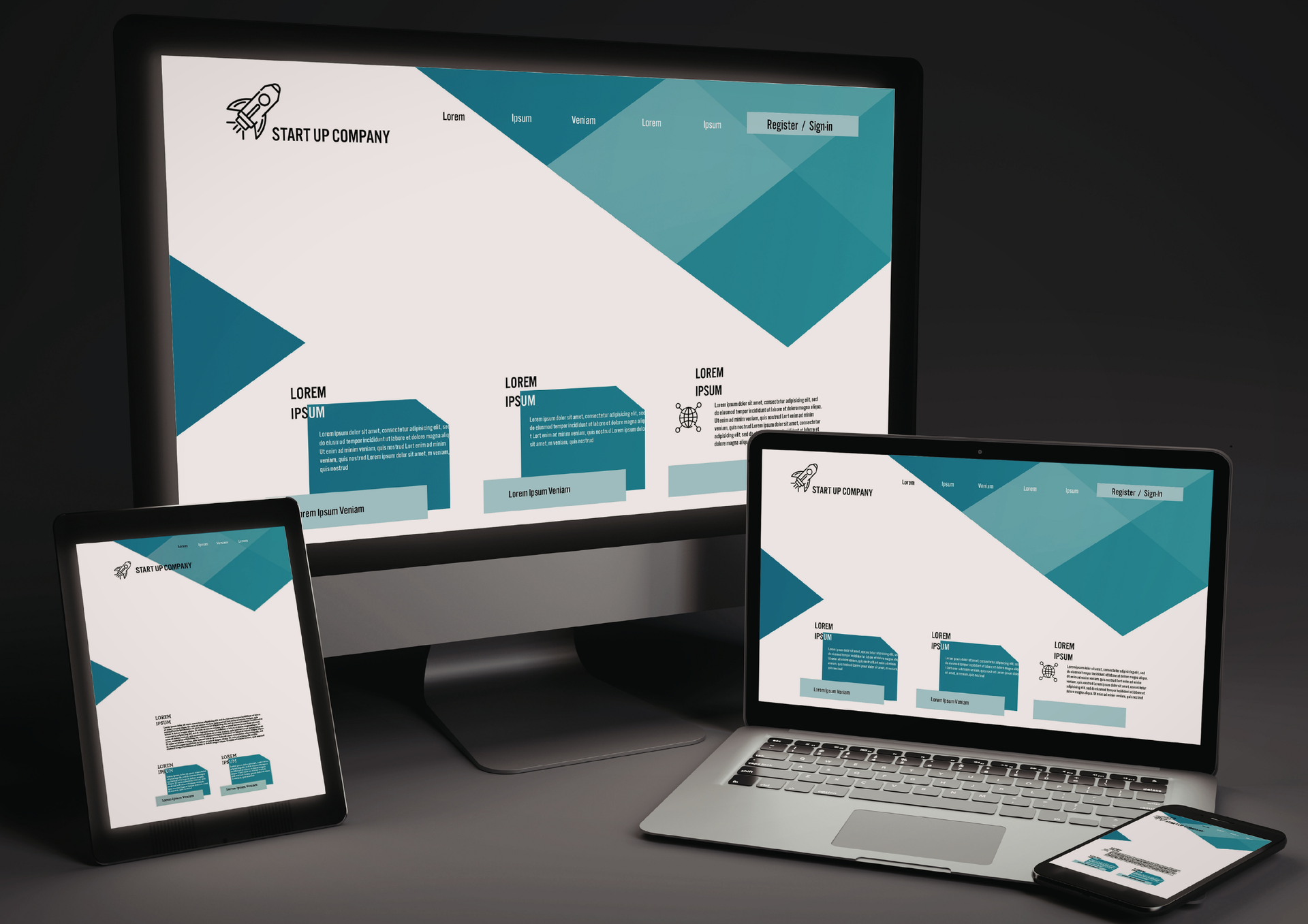
The approach to website design should also be discussed before visual work begins. Businesses should understand whether the provider starts with existing templates, adapts established layouts, or creates a more tailored solution based on the brand, audience, and commercial objectives.
Other useful questions concern responsibilities. Who supplies images? Who writes or uploads the content? Who checks information before launch? Establishing these details early creates clearer expectations for everyone involved.
Timescales should be considered alongside scope. A realistic schedule should account for planning, content preparation, design, development, testing, feedback, and revisions. Extremely short schedules may leave insufficient time for careful review, while an unnecessarily prolonged process can create delays for marketing or operational plans.
Businesses should also ask what would constitute work outside the original scope. New functionality, additional pages, or major revisions may result in extra charges, so the process for approving these changes should be transparent.
A clearly documented scope gives both parties a shared reference point. It allows the business to assess progress and makes it easier to determine whether the final site reflects what was originally agreed.
How Will the Website Support Users and Business Goals?
A visually polished website is useful only when visitors can understand it and complete the actions the business needs. Before appointing a provider, businesses should ask how user behaviour and commercial objectives will influence the project.
Useful questions include:
- How will you identify the main goals of the website before work begins?
- How will navigation be structured so visitors can find important information quickly?
- What steps will you take to make the site straightforward on mobile devices?
- How will important calls to action be positioned without overwhelming visitors?
- How will you decide which information should appear first on key pages?
- Will forms, booking options, product journeys, or enquiry routes be tested before launch?
- How will accessibility and readability be considered throughout the project?
- How will the layout accommodate different types of customers and visitor intent?
Discussions around ui ux design can provide useful insight into whether decisions are being made around genuine user needs rather than appearance alone. A provider should be able to explain why particular layouts, navigation patterns, or interactions are appropriate for the intended audience.
For example, a homeware retailer may need customers to move easily between categories and individual products. A wellness business may place greater emphasis on services, appointments, practitioner information, or reassurance. The right structure depends on the people using the site and what the organisation wants those visitors to do.
Businesses should be cautious when every recommendation is based purely on current visual trends. Trends can provide inspiration, but usability, clarity, and brand relevance generally have greater long-term importance. A suitable provider should be comfortable explaining the reasoning behind important decisions.
How Is the Website Built and Prepared for Future Growth?
Business requirements rarely remain unchanged. New products may be introduced, additional services launched, teams expanded, or new locations opened. A website should be capable of accommodating reasonable growth without requiring extensive reconstruction every time something changes.
Understanding the technical approach does not require the business owner to become a programmer. Instead, the provider should explain the practical implications of the chosen system in straightforward terms.
Strong website development should consider how pages are structured, how content is managed, what integrations may be needed, and how future functionality could be introduced. Businesses should ask whether they will be able to update routine content themselves and what types of changes would require professional assistance.
Ownership is another important subject. Decision-makers should establish who controls the domain, hosting arrangements, administrative accounts, content, and other project assets. Having clear information about access reduces uncertainty if the organisation changes provider in the future.
It is also worth asking how performance will be managed as the site expands. Adding large images, third-party tools, plugins, scripts, or complex features can gradually affect loading speed. A provider should therefore consider efficiency during the initial build rather than treating performance as a problem to address later.
Businesses researching the best website builders may encounter platforms that promise quick setup and simple editing. These tools can suit certain projects, but the relevant question is whether the chosen technology can accommodate the organisation's actual requirements. Ease of setup should be weighed against flexibility, control, integrations, and anticipated growth.
Security and maintenance arrangements should also be discussed. Businesses need to know who handles routine technical updates, how backups are managed, and what happens if an issue appears after launch.
These questions provide a clearer picture of whether the proposed solution is designed merely to launch successfully or to remain practical as the organisation evolves.
What Happens During Testing, Launch, and Post-Launch Support?
The period immediately before and after launch deserves careful attention. A site may look complete while still containing broken links, inconsistent layouts, form errors, or mobile usability problems. Understanding the testing and support process helps businesses know what to expect.
Questions worth asking include:
- Which browsers, devices, and screen sizes will be checked?
- How are contact forms and other interactive features tested?
- Who checks links, images, navigation, and page layouts?
- Will existing content and URLs be reviewed before a redesign goes live?
- How will data or existing content be protected during migration?
- Is there a structured approval stage before launch?
- What happens if a problem is discovered shortly afterwards?
- Is post-launch support included, and if so, for how long?
- How are future changes, maintenance requests, or additional work handled?
A business searching for a website designer near me may naturally value accessibility and convenient communication, but proximity alone should not determine the decision. A clear support process, defined responsibilities, and reliable communication can be more important than physical distance.
Businesses should also establish how feedback will be handled during the project. Too few review stages can allow unsuitable decisions to progress too far, while continuous unstructured revisions can make projects inefficient. Defined feedback points give the business opportunities to review progress without disrupting the overall process.
Launch planning should include more than simply making the new site public. Where an existing website is being replaced, important content, links, forms, tracking tools, and technical settings may need to be transferred carefully. A structured launch process reduces avoidable disruption.
Post-launch expectations should be equally clear. Some providers include a defined support period, while others move immediately to separate maintenance arrangements. Neither approach is automatically unsuitable, but businesses should know the position before committing.
How Do You Measure Long-Term Value and Performance?
A website should be considered in the context of the organisation's wider objectives. Asking how success will be assessed helps shift the conversation away from appearance alone and towards practical outcomes.
The appropriate measurements vary by business. A retailer may focus on product engagement, completed purchases, or customer journeys. A wellness provider might monitor appointment enquiries or service-page engagement. A homeware brand may want to understand how visitors move from inspiration content to product or contact pages.
Businesses should ask what can be measured after launch and which tools will be available to support evaluation. Analytics can provide useful information about traffic, user journeys, popular pages, and conversion activity. However, data is most valuable when it is connected to clear business objectives.
It is also sensible to ask how the site can be refined later. Launch should not necessarily represent the end of improvement. User behaviour, business priorities, and market conditions change, and the platform should allow sensible adjustments when evidence suggests they are needed.
Professional web designers should be able to discuss long-term value without making unrealistic promises. No website can guarantee a particular level of sales or enquiries simply because it has been redesigned. What a well-planned project can do is provide stronger foundations for clear communication, usability, credibility, measurement, and future marketing activity.
Cost should therefore be considered alongside lifespan and flexibility. A cheaper project that requires replacement after a short period may provide poorer value than a carefully planned solution that can be updated and expanded over several years.
For businesses comparing providers in Bradford or any other location, this longer-term perspective can make quotations easier to assess. The question becomes not simply, "How much will the website cost?" but, "What will this investment enable the business to do?"
Choosing a provider for a new website project requires more than comparing portfolios and prices. Businesses benefit from asking detailed questions about scope, users, technical structure, testing, support, ownership, and long-term performance before making a commitment.
Clear answers provide valuable insight into how a provider works. They also help uncover differences between proposals that might otherwise appear similar. A structured discussion at the beginning can reduce uncertainty, improve collaboration, and create more realistic expectations throughout the project.
For homeware brands, health and wellness businesses, retailers, and entrepreneurs, the most suitable solution should reflect genuine business requirements rather than simply following a standard formula. Taking time to ask the right questions gives decision-makers a stronger foundation for choosing web designers capable of supporting both present priorities and future growth.
ETA Web Design Chorley takes a structured and transparent approach to website projects, helping businesses understand what is being proposed and why. We focus on clear communication from the early planning stages through to launch, making technical decisions easier for business owners to understand.
Our approach considers usability, scalability, performance, and the practical requirements of each organisation rather than treating every project in the same way. Whether a business is developing its first professional site or replacing an existing platform, we aim to create a solution that can support its objectives as requirements evolve.
By combining careful planning with practical execution, we help businesses build a professional online presence designed around their customers, brand, and long-term priorities.
Check out our latest X update on the key questions to ask
web designers before starting your website project!