A professional website is more than an attractive collection of pages. It is a digital platform that helps customers understand a business, explore its products or services, and take meaningful action. Whether someone wants to purchase homeware, book a wellness appointment or enquire about a specialist service, the website should make that process straightforward.
Website developers approach each project by considering the business behind the website, the people who will use it and the technical requirements needed to support its purpose. This involves more than selecting colours, arranging images or adding content. Every decision, from navigation and page structure to performance and functionality, contributes to the finished experience.
This article explores five important stages involved in creating a website that is practical, accessible and capable of supporting long-term business objectives.
Understanding the Business and Defining Website Objectives
Before design or development begins, a professional team needs to understand what the business wants to achieve. Different organisations may operate in similar industries but have very different requirements.
A homeware brand might want to increase online purchases, introduce new product collections or improve the way customers browse its catalogue. A health and wellness business may need to explain its services clearly and make appointments easier to arrange. A retailer could require a website that supports both online sales and enquiries about products available in a physical shop.These differences influence the structure, functionality and content of the finished website.
An experienced web developer will consider the organisation's objectives alongside its existing processes, target audience and plans for growth. This helps establish which features are essential and which can be introduced at a later stage.
For example, a business launching its first online shop may initially need a manageable product catalogue, straightforward checkout and clear delivery information. More advanced features, such as customer accounts or integrations with stock management software, can be considered according to operational requirements.
Understanding the target audience is equally important. A website aimed at individual shoppers may require a different approach from one designed for trade customers or organisations purchasing services on behalf of employees.
The project team should also establish what customers need to know before making a decision. This might include product specifications, appointment availability, service descriptions, delivery arrangements or contact details.
Clear objectives provide a foundation for the decisions that follow. They help prevent unnecessary features from being added simply because they are available and ensure that the website remains focused on its intended purpose.
Businesses can contribute to this stage by sharing examples of common customer questions, explaining existing operational difficulties and identifying the actions they want visitors to complete.
A clear initial brief does not need to describe every technical detail. It should, however, explain the organisation's priorities, the problems the website needs to solve and any requirements that could affect the project.
When these details are understood early, the team can establish a realistic scope and develop a website that reflects the needs of the business rather than relying on a generic layout.
Planning Website Structure and User Journeys
Once the objectives are established, the next stage involves organising the website into a clear and logical structure.Visitors should be able to find relevant information without having to search through unrelated pages or navigate complicated menus. A well-planned structure also helps businesses present their products and services in a way that supports customer understanding.
Website development begins with decisions about how individual pages, navigation elements and functional components will work together. These decisions shape the overall user experience and influence how easily the website can be expanded in the future.
A project team may use the following planning methods:
- Create a sitemap: Identify the main pages, supporting pages and categories required to organise the website logically.
- Define navigation pathways: Establish how visitors will move between the homepage, product or service pages, supporting information and contact or checkout areas.
- Identify important customer actions: Determine where visitors should be able to make an enquiry, arrange an appointment, request a quotation or complete a purchase.
- Plan content requirements: Decide which pages need written explanations, images, product information, frequently asked questions or other supporting material.
- Consider mobile navigation: Ensure that menus, buttons and important information remain accessible on smaller screens.
- Allow for future expansion: Organise the website so that new services, product categories or content sections can be introduced without making navigation unnecessarily complicated.
For a homeware retailer, this could mean organising products into categories that reflect how customers naturally browse. A wellness provider might benefit from separating treatment information, practitioner profiles and appointment arrangements.
The purpose of planning is not to create the largest possible website. It is to establish a structure that makes sense to the people using it.
A clear sitemap also helps the project team identify missing information before development begins. If customers regularly need details about delivery, returns or appointment preparation, those subjects should have an appropriate place within the website.
Planning user journeys at this stage reduces the likelihood of important pages being overlooked or added awkwardly after the main structure has been completed.

Designing a Consistent and Accessible User Experience
With the structure established, attention turns to how the website will look and feel. Professional design should reflect the business's identity while making information easy to understand. Colours, typography, images, spacing and page layouts all contribute to the overall impression visitors receive.However, visual appearance should not come at the expense of usability.
A website with attractive graphics but unclear navigation may frustrate visitors. Similarly, a page containing too many competing messages can make it difficult for customers to identify the next step.
A consistent design system helps avoid these problems. When headings, buttons, menus and content layouts follow familiar patterns, visitors can move between pages without having to learn a new interface each time.
For a retail business, consistency might involve using the same product information layout across different categories. For a wellness provider, it could mean presenting treatment descriptions, appointment details and booking options in a predictable format.Accessibility is another important consideration. Text should be readable, colour contrast should support visibility, and interactive elements should be understandable and usable.
Designing for accessibility also involves considering how people interact with a website using a keyboard or assistive technology. Meaningful headings, descriptive link text and clearly labelled form fields can help make content easier to navigate.
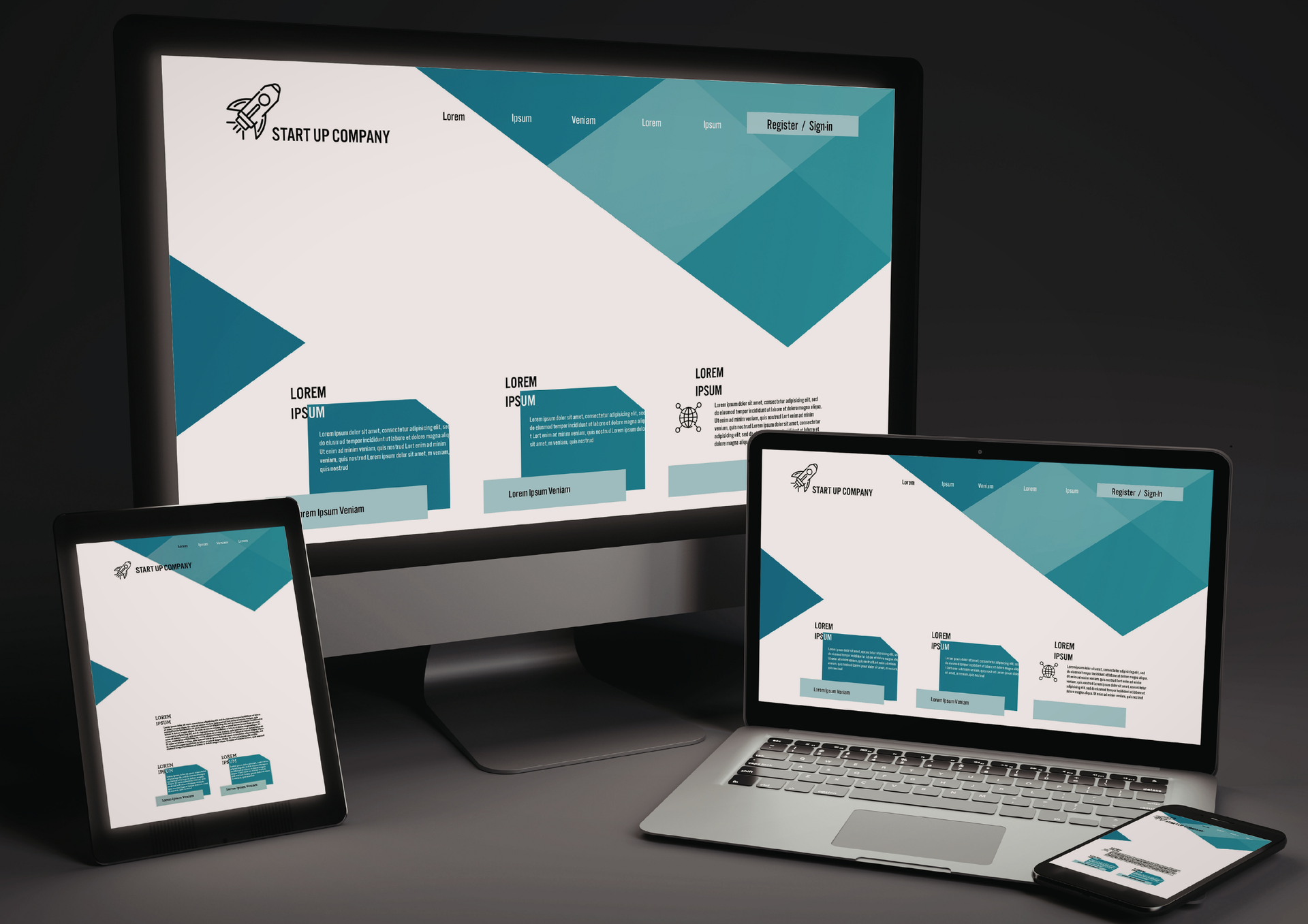
Responsive design ensures that the layout adapts appropriately to different screen sizes. This is particularly important for customers browsing on mobile phones, where limited space can make complicated menus or lengthy forms difficult to use.
Businesses searching for website developers near me may initially focus on visual examples of previous projects. It is also useful to consider whether those examples demonstrate clear navigation, readable content and practical layouts across different devices. A professional approach to design considers the full customer journey rather than treating each page as an isolated visual exercise.
Calls to action should appear where they are relevant to the surrounding content. Product pages should make purchasing information easy to locate, while service pages should provide a clear route to making an enquiry or arranging an appointment. The result should be a website that feels coherent from the homepage through to the final customer action.
Building Functionality and Preparing the Website for Growth
After the structure and visual direction have been agreed, the project moves into technical implementation.This is where layouts, content and planned functionality are brought together to create a working website. The precise development approach depends on the requirements of the organisation.
Some businesses need a straightforward website containing service information, contact forms and a manageable content system. Others require e-commerce functionality, appointment booking, customer accounts or connections with external software.
A professional website development company should consider how these requirements affect usability, performance and future maintenance rather than treating functionality as a collection of unrelated additions.
Important development considerations include:
- Responsive implementation: Build page layouts and interactive elements that function appropriately across desktop computers, tablets and mobile phones.
- Content management: Provide a suitable way for authorised staff to update text, images, products or other information without unnecessarily complicated processes.
- Functional integration: Connect booking systems, payment services or other business tools where they support genuine operational requirements.
- Performance: Optimise images, code and page resources to avoid unnecessary loading delays.
- Security: Apply appropriate access controls, software maintenance practices and secure handling of information.
- Scalability: Organise the underlying structure so that additional pages, products or features can be introduced as the business develops.
- Maintainability: Use clear, manageable implementation methods that make future adjustments and troubleshooting more straightforward.
The development process should also account for the practical responsibilities of the business.For example, a retailer may need to update product descriptions and prices regularly. A wellness provider might need to change service information or appointment availability. A business publishing educational content may require an uncomplicated process for adding new articles.
These everyday activities should be considered when choosing how the website is built. It is also important to distinguish between features that are necessary at launch and those that may be useful later.
Introducing every possible function during the initial project can increase complexity without providing immediate benefits. A more focused approach allows businesses to establish a reliable foundation and expand when there is a clear reason to do so.
Technical decisions should support this flexibility wherever practical. A website built around organised content, consistent components and appropriate software can be easier to adapt as requirements change.
Testing, Launching and Maintaining the Finished Website
A website should not be considered complete simply because its pages look correct in a preview. Before launch, the project team needs to confirm that the website functions as intended and that visitors can complete important actions without unnecessary difficulty.
Testing should reflect realistic customer behaviour. For an online retailer, this might involve browsing products, selecting variations, adding items to a basket and completing checkout. For a wellness business, it could involve finding a service, choosing an appointment and submitting the required information. Contact forms, navigation links, interactive elements and any external integrations should also be checked.
Website developers should assess how the website behaves across different devices and commonly used browsers. A layout that works on a large desktop screen may require adjustments to remain practical on a mobile phone.
Content review is equally important. Businesses should check that service descriptions are accurate, product information is complete and contact details are correct. Clear headings, useful page titles and descriptive content also help visitors understand what each page offers.
Where relevant, the launch process may include setting up analytics, checking redirects from an existing website and confirming that search engines can access the intended public pages. Launching a website is an important milestone, but it is not the end of the process.
Business requirements change over time. Products are introduced, services evolve, staff details need updating and new customer questions emerge. The website should be reviewed regularly to ensure that its information remains accurate and its functionality continues to support the organisation.
Routine maintenance may involve software updates, checking forms and integrations, reviewing performance and addressing technical issues when they arise.
Businesses can also use customer feedback and website performance data to identify opportunities for improvement. If visitors frequently leave a particular page or struggle to complete an enquiry, reviewing that part of the journey may reveal a practical adjustment.The objective is to maintain a website that remains dependable, useful and relevant as the organisation develops.
ETA Web Design Bradford takes a considered approach to creating professional websites for businesses with different requirements. We begin by understanding your organisation, its customers and the objectives your website needs to support.
Our approach to website developers focuses on clear planning, practical functionality and a consistent user experience. We consider how visitors will navigate the website, access important information and complete the actions that matter to your business.
Whether you operate a homeware brand, a health and wellness business or a retail company, we aim to develop a website that reflects your requirements without introducing unnecessary complexity.
We also recognise the importance of future flexibility. By considering content management, performance and potential expansion during the planning process, we help businesses establish a website that can continue to support their changing needs.
Check out our latest X update on how
website developers approach building a professional website, from initial planning and design to creating a functional and user-friendly online experience!