A professional online presence has become an important part of how customers discover, assess, and interact with businesses. For homeware brands, health and wellness businesses, retailers, and entrepreneurs in Bradford, a website can act as a central point for communicating services, showcasing products, answering questions, and generating enquiries.
A successful website build requires more than selecting an attractive layout. Structure, usability, content, performance, and scalability all contribute to how effectively a site represents a business. Decisions made at the beginning can influence how easy the website is to manage and how well it supports future growth.
This article explores practical ways businesses can create a stronger digital presence while building a website that remains professional, useful, and adaptable over time.
Start With Clear Business Goals and User Needs
Before deciding on layouts, colours, or functionality, businesses should establish what they want their website to accomplish. A clear purpose provides direction throughout the project and prevents unnecessary features from distracting from important objectives.
A homeware business might prioritise displaying products and encouraging purchases, while a health and wellness provider may want visitors to book appointments or request information. Retail companies could require a combination of product discovery, store information, customer support, and online purchasing.
Understanding the audience is equally important. Businesses should consider what visitors are likely to look for when they arrive and how quickly they expect to find it. Someone researching a service may want clear information about availability, benefits, and contact options, whereas a shopper may prioritise product categories, delivery details, and straightforward navigation.
When creating a website, these priorities should influence page hierarchy from the beginning. The most important information needs to be easy to locate, while supporting pages should sit naturally within the broader structure.
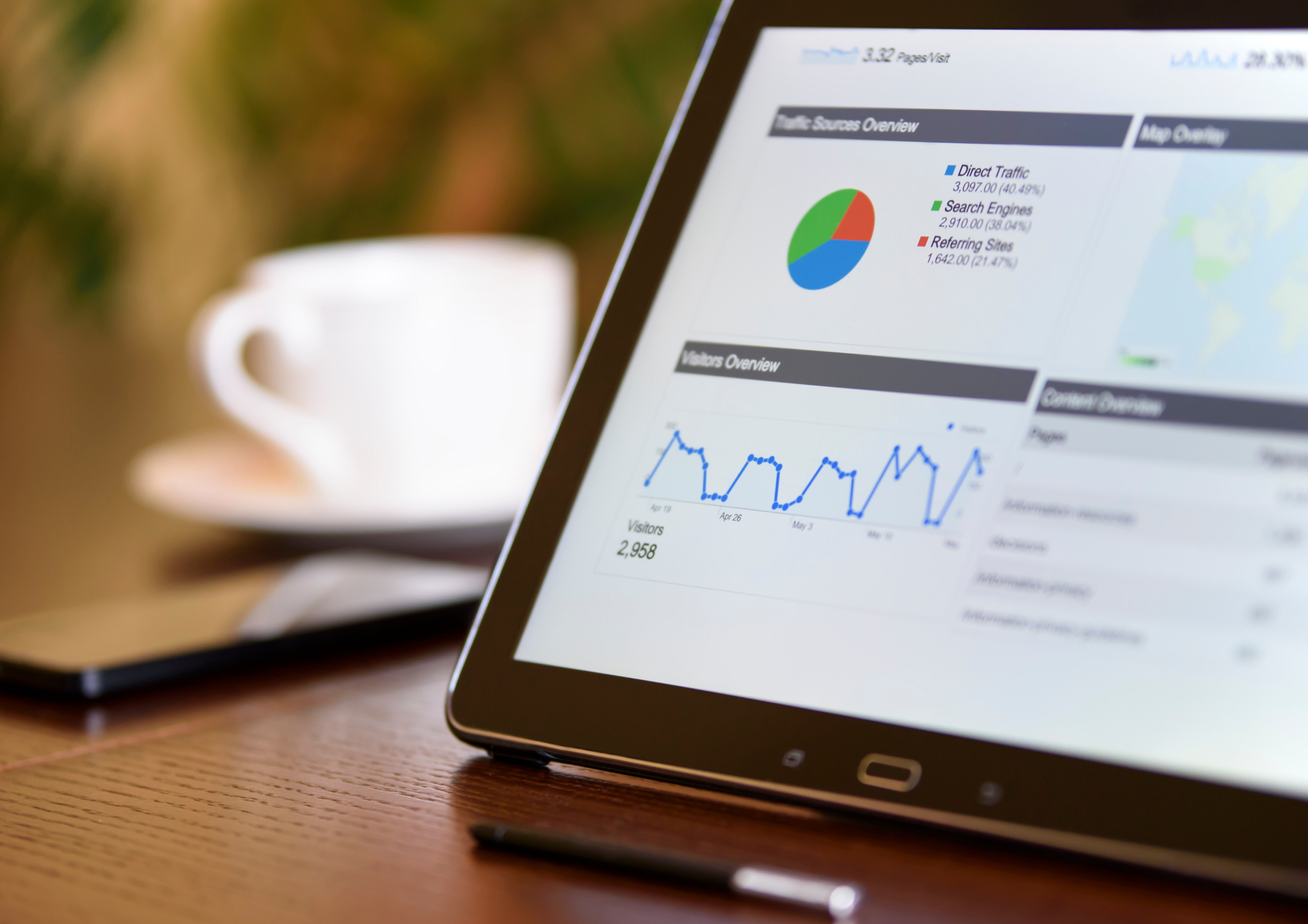
Clear goals also make it easier to measure performance after launch. Instead of judging a site purely by appearance, businesses can consider whether visitors are completing enquiries, viewing important products, booking services, or taking other valuable actions.
Build a Clear and User-Friendly Structure
A strong online presence depends heavily on how easily visitors can move through a site. Complicated menus, unclear page names, and inconsistent layouts can make even visually impressive websites difficult to use.
Good structure creates predictable journeys and reduces the effort required to find information. Businesses should consider how pages relate to each other and whether visitors can reach important content without navigating through unnecessary steps.
A professional web designer can help translate business requirements into a structure that balances visual presentation with practical usability. Rather than organising content around internal business terminology, the site can be structured around the words and journeys customers are more likely to understand.
Several principles can support a clearer experience:
- Keep the main navigation focused on the most important pages and categories.
- Use straightforward menu labels that clearly describe what visitors will find.
- Organise related services, products, and resources into logical groups.
- Make important contact or enquiry options easy to locate.
- Maintain consistent page structures so visitors know what to expect.
- Use internal links where they genuinely help users discover related information.
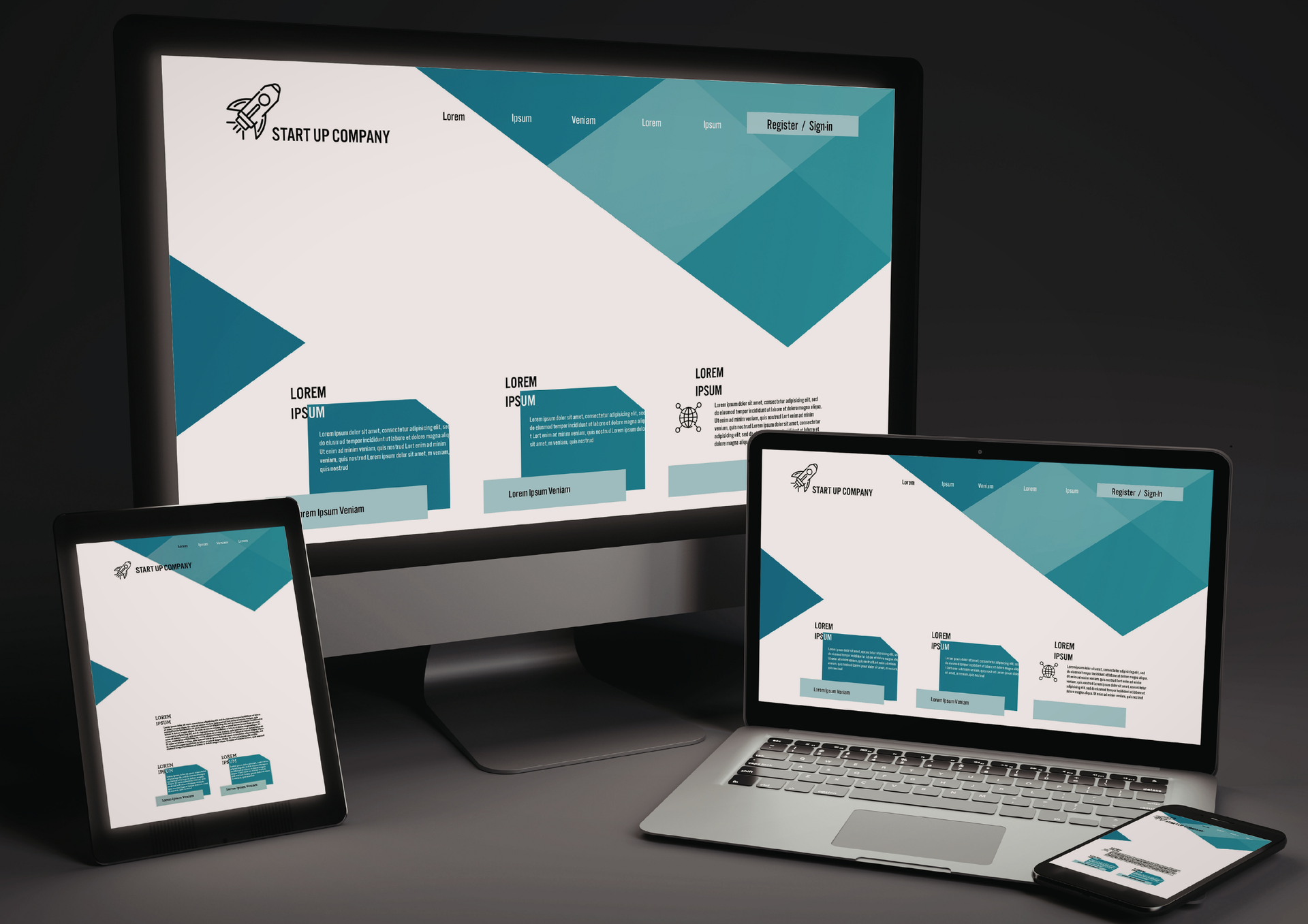
- Ensure navigation works comfortably on desktop, tablet, and mobile devices.
A clear structure also supports future expansion. New products, services, locations, or resources can be introduced without making the existing navigation unnecessarily complicated.
Prioritise Performance, Mobile Usability, and Accessibility
Modern users expect websites to perform reliably regardless of the device they are using. Slow loading, difficult mobile navigation, or poorly formatted pages can weaken confidence before visitors have properly considered what a business offers.
Page speed should therefore be considered throughout development. Large images can be optimised, unnecessary functionality reduced, and page elements organised efficiently. Visual quality remains important, but it should not come at the expense of usability or performance.
Mobile usability deserves particular attention. Customers may discover a business while travelling, shopping, comparing providers, or searching for immediate information. Pages should adjust properly to smaller screens, buttons should be easy to tap, and text should remain comfortable to read without excessive zooming.
Accessibility contributes to a stronger experience as well. Logical heading structures, readable text, appropriate contrast, descriptive information for relevant visual elements, and straightforward navigation can make content easier for a wider range of users to access.
Businesses sometimes compare the best website builders when deciding how to launch their online presence. These platforms can provide useful starting points, but the choice of technology should be based on actual requirements rather than popularity alone. Businesses need to consider how much control, flexibility, scalability, and ongoing management their chosen platform provides.
Performance should also be reviewed after launch. Adding large media files, new integrations, or additional functionality can gradually affect speed, making ongoing checks valuable as the site develops.
Create Content That Builds Trust and Supports Action
Content is one of the strongest elements of a professional online presence. Visitors need enough information to understand the business, assess whether its products or services are suitable, and decide what to do next.
Effective website content should answer practical questions without overwhelming the reader. Headings make longer pages easier to scan, while short paragraphs help important information remain accessible. Calls to action can then appear at natural points where visitors may be ready to enquire, purchase, book, or request further information.
Trust should develop naturally throughout the site. Accurate business details, clear descriptions, consistent branding, helpful information, and genuine customer feedback can all provide reassurance.
For retail businesses, product information should be sufficiently detailed to support informed purchasing decisions. Homeware brands can benefit from useful descriptions, strong imagery, and organised categories, while health and wellness businesses may need clear explanations of services and booking processes.
The following practices can help strengthen website content:
- Explain products or services in clear, customer-focused language.
- Use descriptive headings to make important information easier to scan.
- Keep branding and tone consistent across key pages.
- Position calls to action where they naturally follow useful information.
- Include relevant trust signals without overcrowding the layout.
- Review older pages periodically to keep information accurate.
- Avoid unnecessary content that does not support the visitor's journey.
Businesses searching for website developers near me may also want to consider how content will be managed after launch. A practical system should allow routine information to be updated efficiently without making every minor change technically complicated.
Plan for Growth Instead of Only Planning for Launch
A website should reflect what a business needs today while leaving room for what it may require tomorrow. Focusing entirely on launch can create limitations when services expand, new product categories are introduced, or additional digital tools become necessary.
Scalability starts with flexible architecture. Page templates, navigation, content categories, and technical systems should accommodate reasonable expansion without requiring the entire platform to be rebuilt.
For example, a Bradford retailer starting with a relatively small product range may later introduce new collections, delivery options, or customer account functionality. A wellness business might eventually add new services, practitioners, resources, or booking features. Planning for these possibilities can make future changes more manageable.
A scalable website build also considers third-party integrations. Customer relationship management platforms, booking tools, payment systems, email marketing services, analytics, and other applications may become increasingly important as operations develop.
This does not mean every possible feature needs to be included immediately. Adding unnecessary functionality can increase complexity and maintenance requirements. Instead, the underlying structure should provide enough flexibility for relevant features to be introduced when there is a genuine business need.
Ongoing maintenance is another part of long-term planning. Software updates, content reviews, performance checks, security measures, and usability improvements help preserve the quality of the digital presence. Treating the site as an evolving business asset rather than a completed one-off project makes it easier to maintain its value.
ETA Web Design Bradford provides professional website solutions for businesses seeking a clear, scalable, and results-focused online presence. Rather than introducing unnecessary complexity, we aim to create solutions that are manageable and capable of adapting as businesses grow.
Our focus is on practical structure, straightforward navigation, responsive performance, and content presentation that supports real customer journeys.We take the time to understand business objectives, audience requirements, and future plans before determining the right approach to each website build.
Whether developing a new online presence or improving an existing platform, we focus on delivering a professional foundation that supports long-term usability, credibility, and business growth in Bradford and beyond.
Check out our latest X update for useful
website build tips that can help create a stronger and more effective online presence!