For any business—whether a homeware brand, wellness company, or modern retail store—your website acts as the digital foundation of your brand. It’s the first touchpoint for customers, the centre of your online operations, and a platform that must balance aesthetics, functionality, and performance. Understanding the Cost of web design is essential for making informed investment decisions, particularly if you want a website that supports long-term brand growth and delivers measurable results.
We outline the key factors that affect the Cost of web design, helping businesses understand where their investment goes.
The Role of Strategy and Planning in Web Design Pricing
Every successful website begins with clear research, discovery, and planning. This early stage lays the foundation for the design and development process, and it is also one of the biggest factors in determining the overall Cost of web design. A well-planned project ensures that every decision—layout, branding, functionality, and user experience—is aligned with your brand identity and business goals.
The strategic phase often includes competitor analysis, target audience profiling, sitemap creation, and user journey mapping. For homeware brands, this may involve designing product-led pages that emphasise visuals. For wellness businesses, the strategy might include booking functionality or user-friendly navigation for content. Retail brands may require carefully structured product categories or conversion-driven landing pages. The more detailed and tailored the strategy, the more time and expertise are required, influencing the final cost.
During this phase, designers also define the technical scope—whether the site needs e-commerce features, integrations, advanced content management, or automation tools. Businesses with long-term growth plans often benefit from a scalable structure that future-proofs the website. A robust strategic approach ensures you’re not merely getting a website, but a digital asset capable of supporting long-term performance.
Design Quality, Branding, and User Experience
A major component of the website investment lies in creating a polished, intuitive, and brand-consistent design. Visual identity is central to user perception, especially for sectors such as homeware, wellness, and retail, where aesthetics strongly influence behaviour. The more bespoke and detailed a design is, the more the pricing reflects the additional creative input required.
A custom-designed interface involves designing unique layouts, choosing colour palettes aligned with your brand, crafting reusable components, and ensuring accessibility. Businesses that want a high-end look, advanced animations, or interactive sections typically require more design hours. Even subtle elements such as typography pairings, image treatments, and icon styles are carefully considered to create a cohesive digital presence.
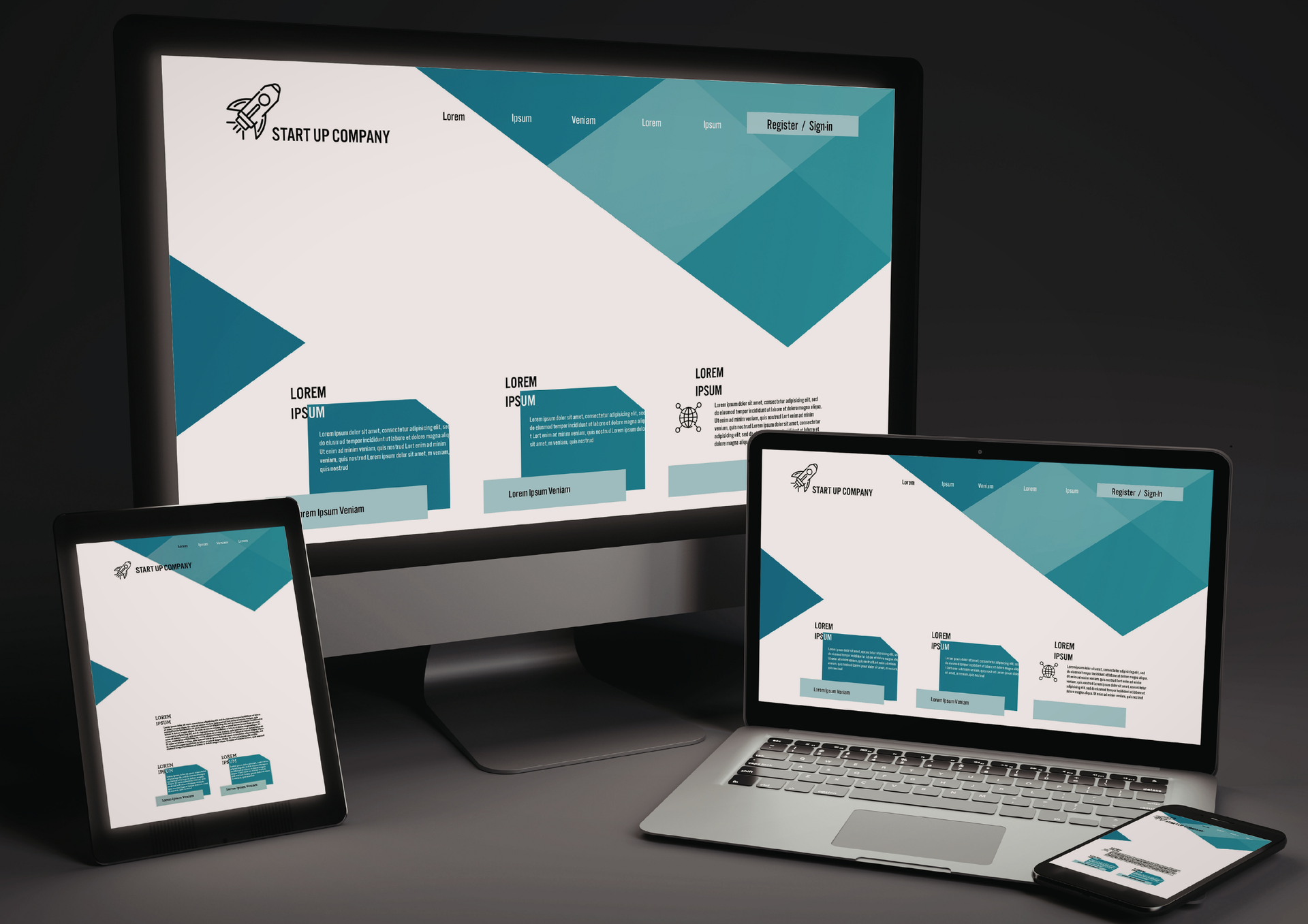
User experience (UX) design is also crucial. A website isn’t just about looking good—it must guide users effortlessly. UX considerations include intuitive navigation, mobile responsiveness, page loading performance, and readable content layouts. Brands seeking conversion-focused websites, such as retail businesses, often require optimised checkout flows or promotional content areas. These elements take planning, testing, and refinement, adding to the investment but greatly improving long-term results.
Development, Features, and Functional Requirements
Development is often one of the most significant contributors to the final pricing because it brings your chosen design and features to life. The more customised or feature-rich your site needs to be, the higher the development workload.
For instance, a brand that only needs a simple informational website requires far less development time than a retail business with advanced product filtering, inventory management, and checkout systems. A wellness business offering appointments might need a booking system with availability calendars. Homeware brands may require visual product galleries or lookbooks.
Interactive features, third-party integrations, and automations can also add complexity to a website build. These elements may include CRM system connections, e-commerce platforms, membership or subscription portals, custom calculator tools, chatbots, and various API integrations. Each addition requires specialised development work, testing, and optimisation, all of which contribute to the overall investment but greatly enhance functionality and user experience.
Every additional function requires coding, testing, and optimisation. Custom developments take longer than template-based solutions, but they also ensure the website is tailored to your goals and avoids limitations that may hinder future growth.
Maintenance also plays a part in the overall picture. While not always included in the initial build price, long-term support is an investment many businesses choose to make to ensure their website stays secure, updated, and fully functional.
Content, SEO, and Conversion-Ready Structure
Content creation is a core element of web design that significantly affects overall pricing. This includes copywriting, visual asset sourcing, photography, videography, and graphic design. Businesses that want a strong content presence—such as brand story sections, category pages, blog content, or product descriptions—may invest more to ensure these areas are polished and engaging.
Search engine optimization (SEO) also plays a key role in shaping the overall budget. A website built without SEO considerations lacks the foundation needed to rank well and attract organic traffic. An SEO-ready structure involves fast loading times, clean and efficient code, properly configured meta data, a clear header hierarchy, mobile optimisation, and content architecture aligned with targeted keywords. These elements require additional planning and expertise, but they significantly improve the website’s long-term performance.
Retail and homeware brands rely heavily on organic visibility, meaning SEO-friendly categories and product pages are essential. Wellness businesses often need educational content to build trust and authority. If your project includes SEO strategy, technical optimisation, or launch support, it will form part of the project’s investment.
Websites designed with conversion principles—such as focused landing pages, call-to-action placement, trust indicators, and structured user flows—also require additional expertise. These elements may be subtle, but they significantly improve user engagement and revenue potential.
Platform Choice, Scalability, and Long-Term Flexibility
The platform you choose influences both the initial cost and the long-term value of your website. Different platforms vary in flexibility, customisation options, and overall cost structure. For instance, drag-and-drop builders tend to be budget-friendly but limited in how much they can be customised. Mid-range content management systems strike a balance between flexibility and affordability, making them suitable for many growing businesses. Fully custom-built systems, on the other hand, provide maximum control and adaptability, though they require significantly more development time.
Scalability is a major consideration. Homeware and retail brands may initially start small but expand product ranges, introduce marketing campaigns, or upgrade functionality as they grow. Wellness brands may add new booking tools, content modules, or interactive features. A scalable website structure prevents costly rebuilds later.
Security, ongoing performance, and compatibility with future technologies also matter. Platforms that support updates, integrations, and feature additions ensure your website evolves with your business rather than holding it back.
When planning your investment, understanding the
website design cost helps clarify how features, branding requirements, and the level of customisation influence your overall budget. Businesses with complex needs or a strong emphasis on premium visual identity often see higher pricing, as the work involves detailed design and technical expertise.
For many entrepreneurs, exploring the average cost of website design for small business provides a helpful benchmark for early budgeting. While smaller businesses may not require a large or complex website, they still benefit from professional design that enhances trust, improves user experience, and supports long-term scalability.
It also helps to understand the cost to build a website, which can vary based on project size, platform, development hours, content creation, and specialist integrations. Every feature added—such as booking tools, e-commerce, membership systems, or automation—directly influences the investment.
Brands seeking bespoke layouts, tailored functions, or advanced visual experiences may look into the custom website design cost, which typically applies to projects requiring unique features or fully original design work. This option is ideal for businesses that want complete creative control and long-term flexibility without relying on pre-built templates.
ETA Web Design Bradford provides professional, scalable, and results-driven design solutions for modern businesses. We combine strategic planning, tailored design, and technical expertise to deliver websites that are visually compelling, user-friendly, and built for long-term growth. We work closely with every client to ensure each project reflects their brand, industry needs, and future goals. Whether you're a homeware brand, wellness provider, or retail business, we create digital experiences that strengthen your online presence, improve customer engagement, and offer exceptional value for the overall
cost of web design.
Don’t miss it on X:
Cost of web design explained – key factors that affect pricing!